
How to Build a Wedding Day Timeline That Doesn’t Feel Rushed
A good wedding day timeline is one of those things you barely notice when it’s working.
The morning has room Nobody is putting on earrings while someone is asking where the candles go. Family photos don’t swallow cocktail hour whole. Dinner starts before everyone gets hangry. Sunset doesn’t sneak by while speeches run long. The day moves, but it doesn’t feel like it’s sprinting.
I’ve seen timelines that looked perfectly reasonable on paper and still felt rushed by noon. I’ve also seen wedding days with multiple locations, mountain weather, and a lot going on feel calm because there was breathing room in the right places. That’s really the goal: not a rigid spreadsheet for the sake of it, but a day that flows well enough for real moments to happen.
From a Colorado wedding photographer’s perspective, the best timeline is the one that helps the day feel like your day, not a marathon, not a performance, and certainly not a magazine shoot.

How to build a wedding day timeline step by step
If you’re starting from scratch, the simplest way to build a wedding timeline is to anchor your ceremony time and work outward from there. From that one point, you can map backward to getting ready and forward into cocktail hour, dinner, and the reception. The goal isn’t to fill every minute, it’s to give each part of the day enough space to happen without pressure.
Every wedding day looks different, but to give you a sense of how things often flow, here’s a rough example of a full-day timeline:
Morning: details and getting ready
Early afternoon: first look + wedding party / family photos (if you’re doing one)
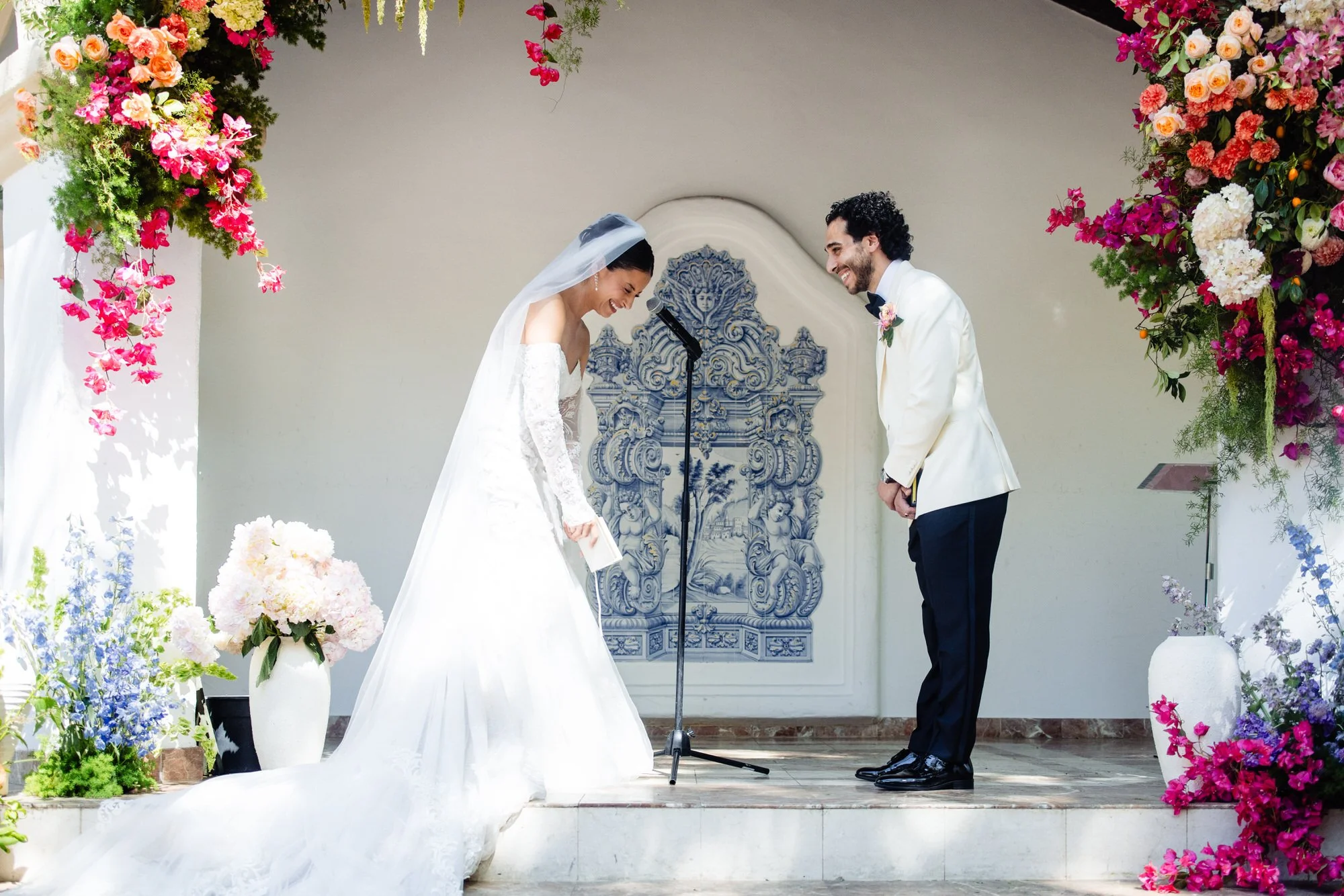
Ceremony
Cocktail hour (or portraits if no first look)
Dinner and toasts
Sunset portraits (if timing allows)
Dancing and open floor
The exact timing shifts depending on your priorities, your venue, the season, and whether you’re moving locations, but the general rhythm tends to look something like this.
This is also why I help my couples build timelines around their specific day, rather than handing over a fixed template. The structure matters, but how it fits your priorities matters more.
Start with your ceremony and build your wedding timeline backward
If you’re trying to build an ideal wedding day timeline, your ceremony time is usually the anchor.
Everything else tends to stack around it: when you need to be dressed, whether you’re doing a first look, when family photos happen, when guests arrive, when dinner starts, and whether there’s room for sunset portraits. That doesn’t mean the day has to feel rigid. It just means you need one strong starting point.
I usually encourage couples to work backward from the ceremony and pay attention to the parts of the day that don’t move easily. Venue access times, hair and makeup, travel, sunset, dinner service: those things create the frame.
And if you’re getting married in Colorado, this matters even more. Light changes fast. Weather can shift. Mountain drives take longer than they look on a map. Even a day that feels simple can start to feel hurried if there isn’t enough space built into the transitions.

Why getting ready and details matter in your wedding timeline
Details
The beginning of the day often starts with the smallest things.
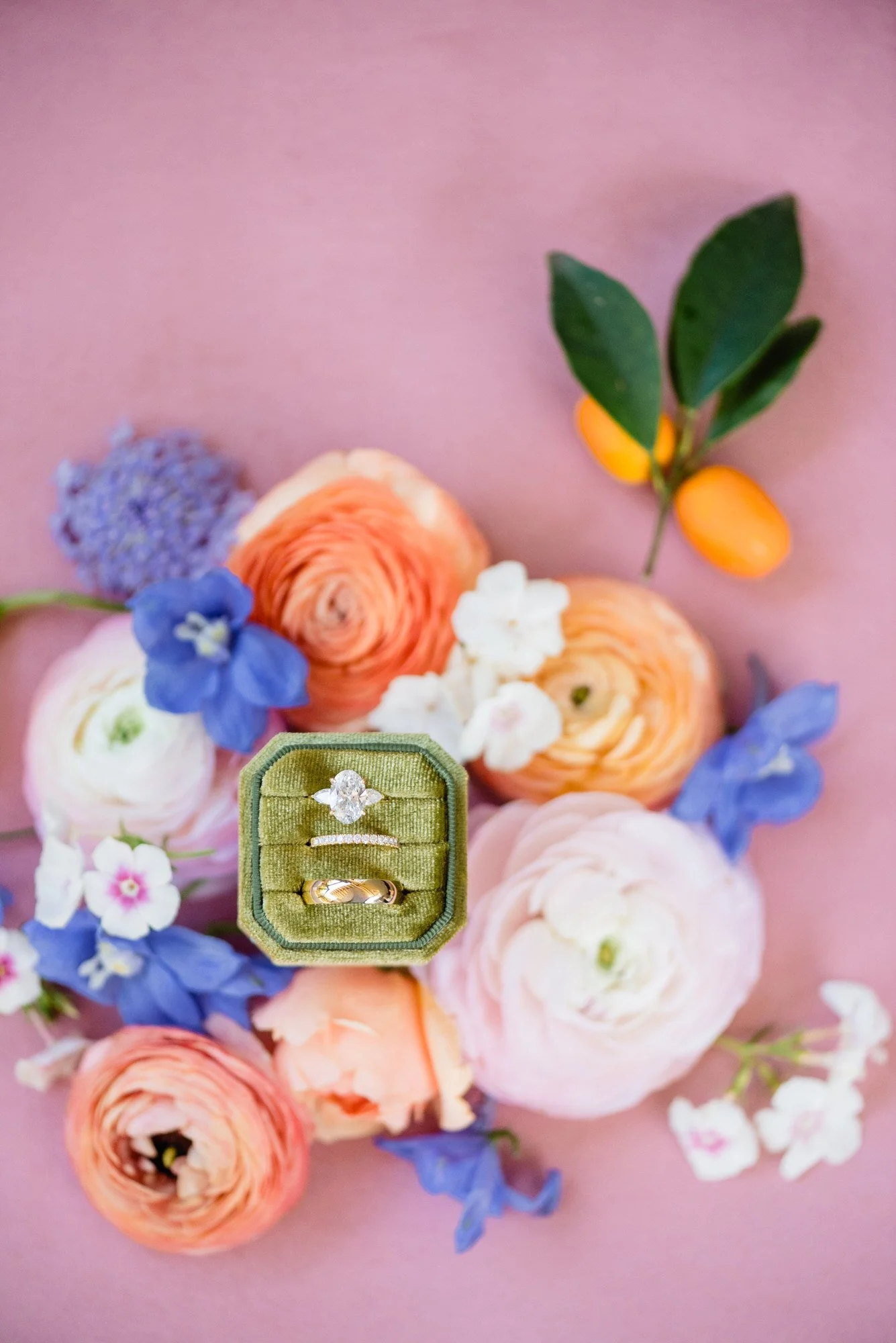
Photographers arrive and take photos of details, including the wedding rings, invitations, flowers, and any other objects that have special meaning for your big day. I’ll craft flat lays that showcase the beauty of these small, special pieces, but what matters most is that this part of the timeline happens before the room gets fully busy.
If you want this portion to feel easy, gather everything ahead of time. Rings, invitation suite, shoes, jewelry, perfume, heirlooms, vow books, veil, boutonniere, stationery, anything sentimental. When those pieces are already in one place, the morning starts smoother for everybody.
Getting Ready
This is a busy and joy-filled part of the day, and it deserves more respect than it usually gets, I go deeper into why getting ready photos matter so much here.
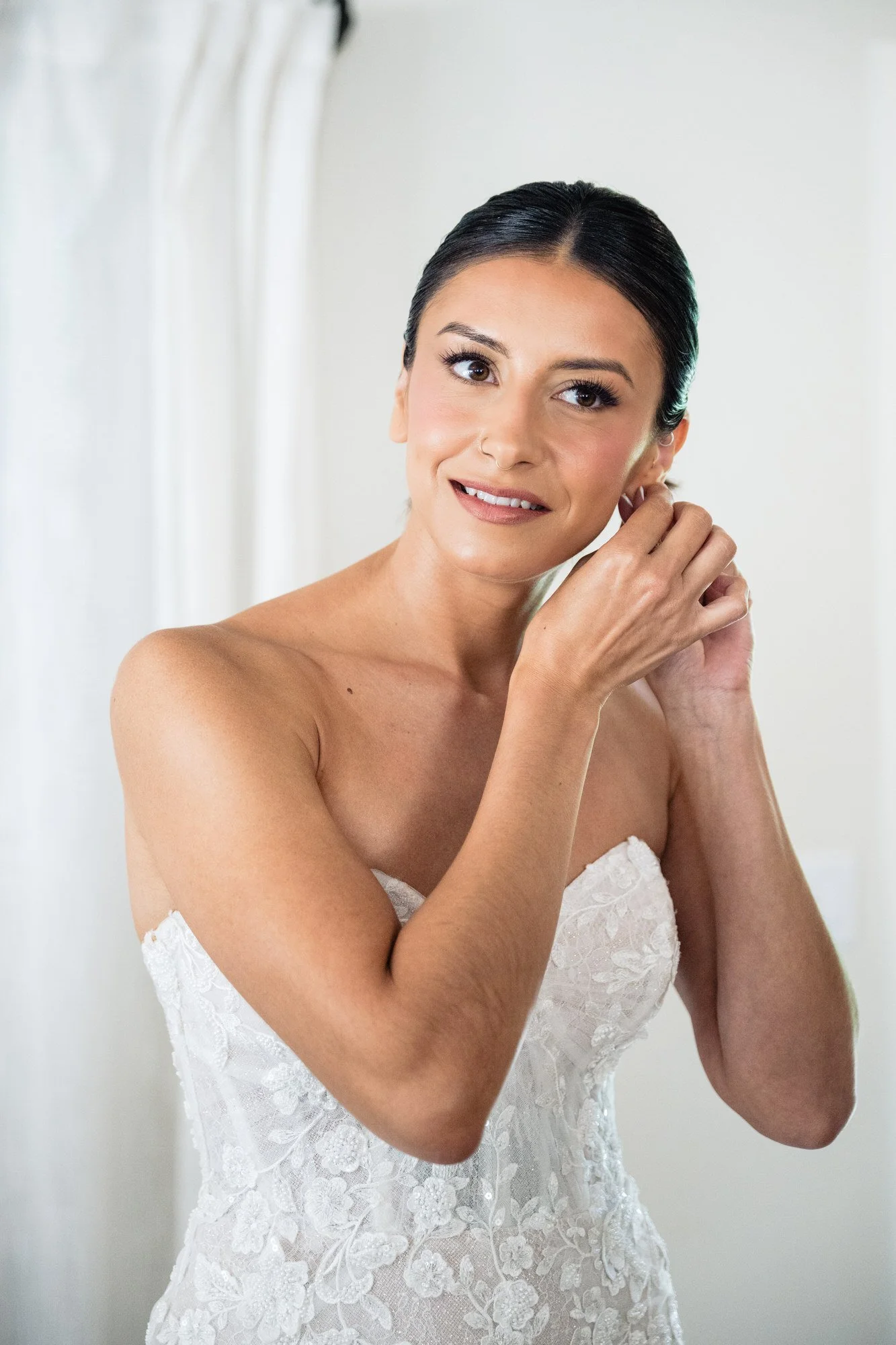
Whether you're getting ready with your wedding party, your closest friends, or on your own, this is when we’ll capture all those iconic morning moments: pajama shots, dressed-and-ready-to-go portraits, veil or accessory photos, toasts, laughter, and the sweet chaos of the day starting. And if your crew is more into video games, shots, crazy socks, or boutonniere-pinning, we’ll photograph that, too.
At Colorado venues, from downtown Denver suites to cozy mountain Airbnbs, these getting-ready moments are some of the most genuine and storytelling-rich. Couples often have the hardest time remembering this part of the day because of the anticipation and rush, which is exactly why it’s worth giving it room.
I also love capturing the small parent and wedding party moments that happen here. A mom smoothing the back of a dress. A dad trying not to cry. A child pinning a boutonniere. A bridesmaid seeing the full look for the first time. These are special, tiny moments that happen on the morning of your wedding, and they cannot be overlooked.
If the start of the day feels crammed, that feeling tends to follow the rest of the timeline. If it feels calm, the rest of the day usually follows that too.
How a first look changes your wedding timeline
This is one of the biggest routing decisions in the whole day, because it changes what happens before the ceremony and what gets pushed after it, I go more in-depth on how to decide if a first look is right for you here.
Do you Want a First Look?
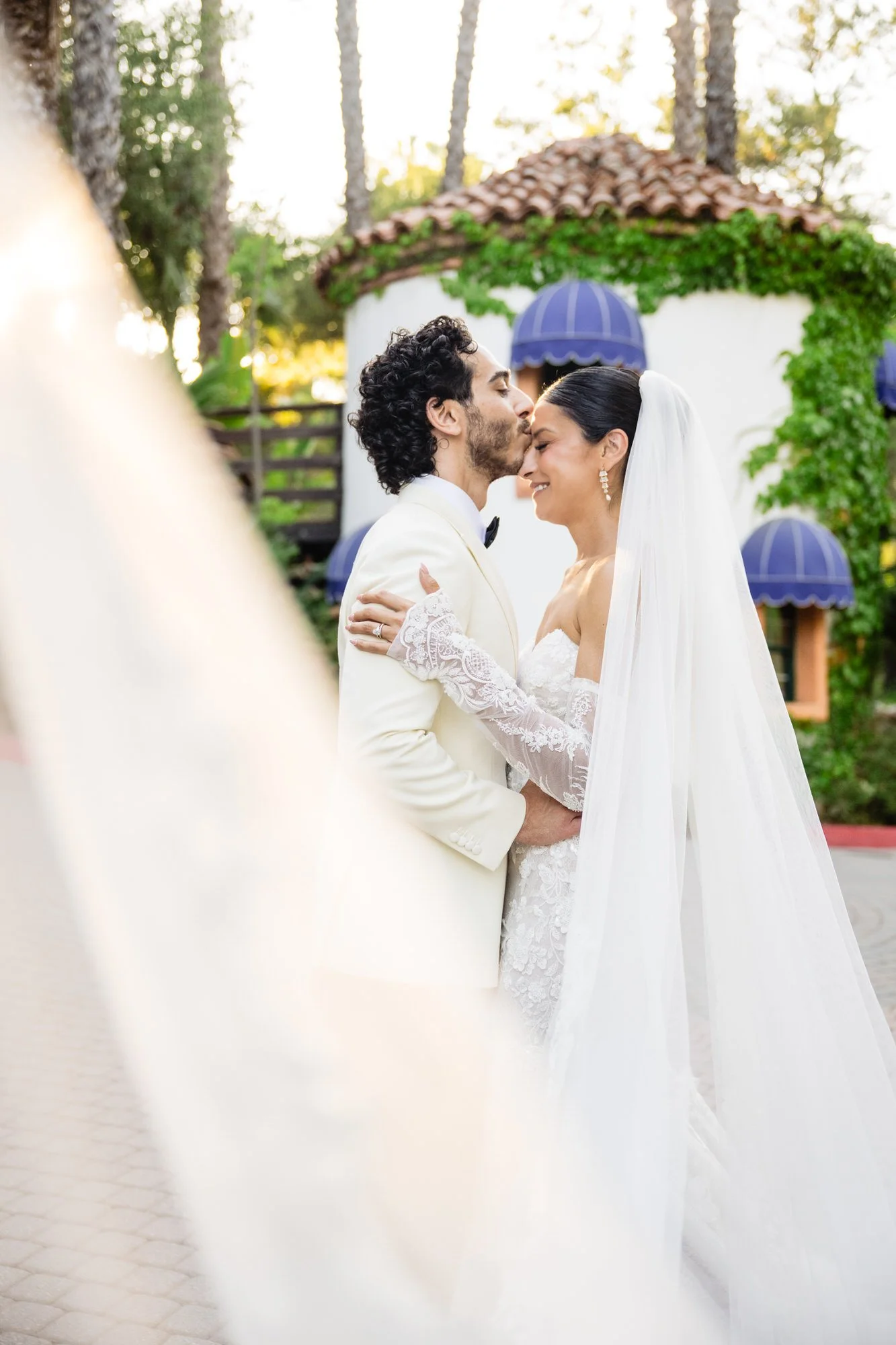
A first look can create a lot of breathing room.
You get a private moment together before the ceremony, which can be grounding in a way that surprises people. And practically speaking, it opens the door to doing couple portraits, wedding party photos, and sometimes even some family photos before guests arrive. Then, after that, you get to scurry away for a bit before the ceremony starts instead of standing in the middle of a photo list while everyone waits on you.
This can be especially helpful on Colorado wedding days with more movement. If you’re getting ready in one place, headed to another for the ceremony, and hoping to enjoy some of cocktail hour, a first look often makes the whole day feel less compressed.
Do you Not Want a First Look?
Not doing a first look is also a great option if that aisle moment matters most to you.
But if you’re saving that reveal for the ceremony, the timeline has to account for it. More portraits need to happen afterward. Family photo organization becomes more important. Cocktail hour often carries more weight. If we didn’t do a first look, we’ll get more couple photos then, and that means the post-ceremony flow needs to be really clear.
I’m never anti first look or anti no first look. I’m just pro deciding intentionally, because the rest of the timeline depends on it.


How to plan family photos and wedding party time without rushing your timeline
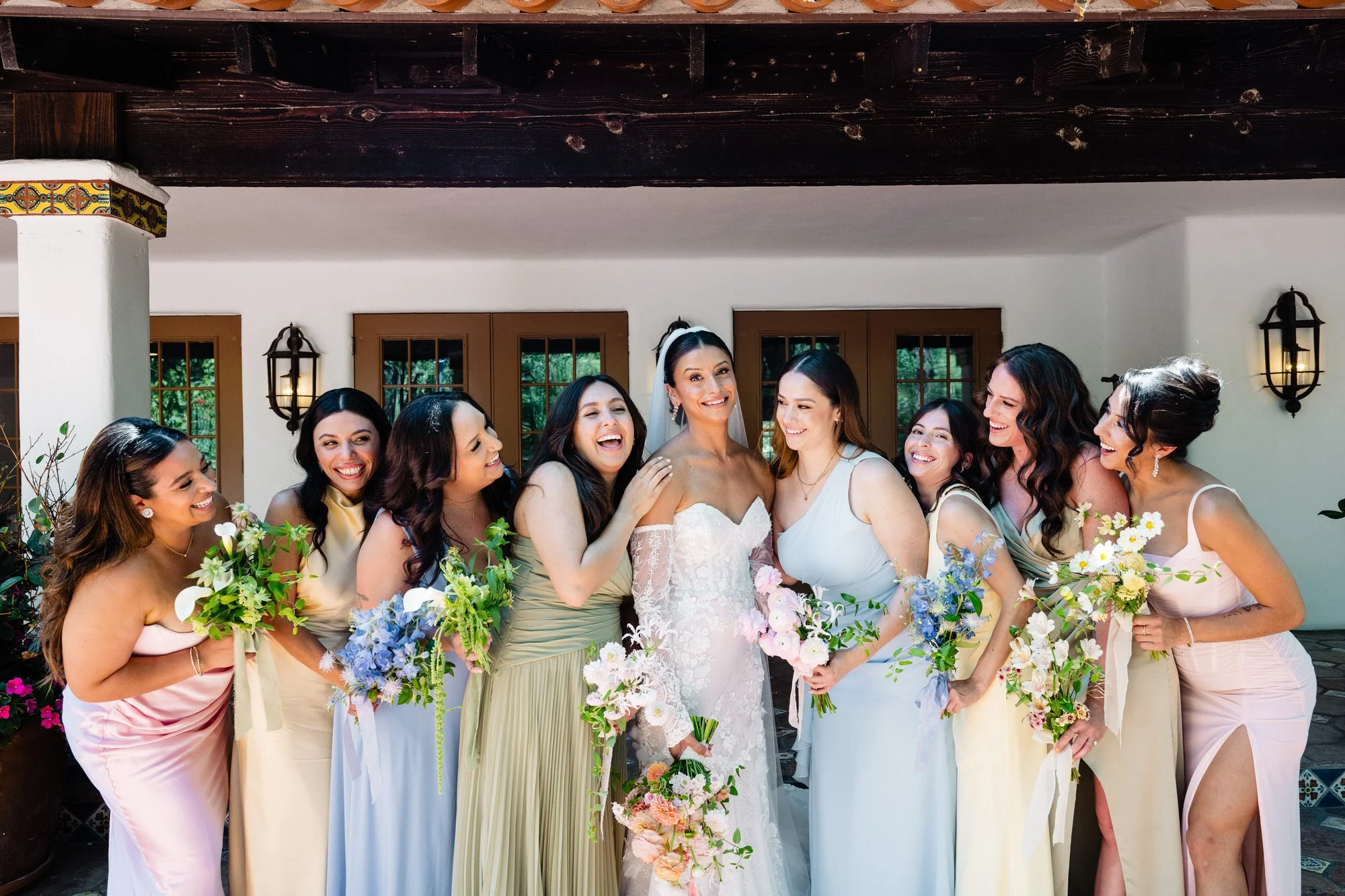
Family photos and wedding party portraits are where timelines often start running behind, not because those photos are unnecessary, but because they’re people-heavy.
On paper, it can look quick. In real life, it takes a minute to gather grandparents, find siblings, fix dresses, grab bouquets, and get the right people in the right place. If you want this section to feel efficient, a clear list helps. So does having one person from each side who knows who everybody is and can help track them down.
Then, as the ceremony gets closer, the energy shifts.
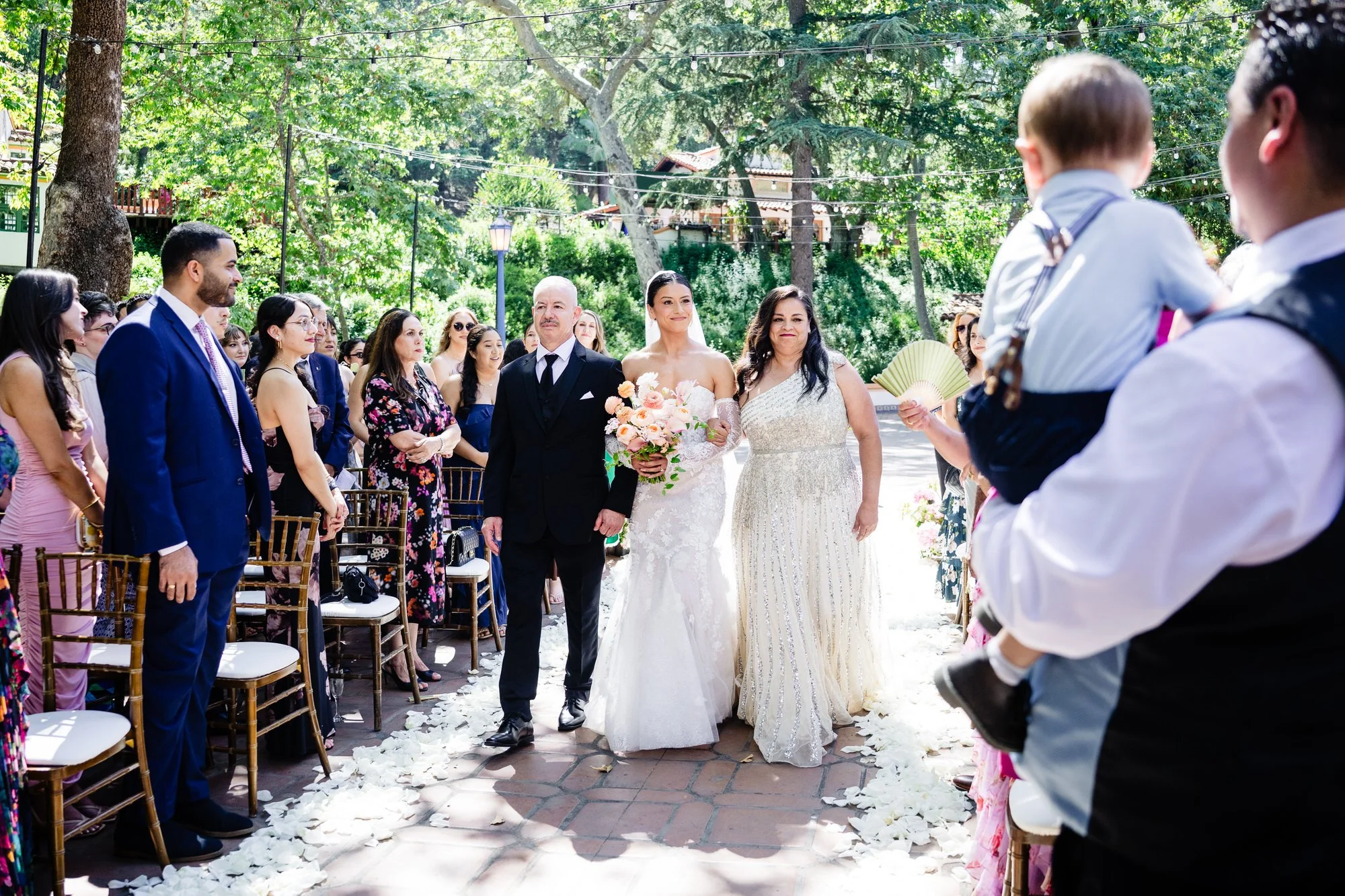
This is where the day moves from anticipation to action. Guests arrive. People start taking their seats. The processional lines up. The music starts. Everything that felt quiet and separate in the morning suddenly becomes one shared experience.
That’s why I like a little buffer before the ceremony. Not because I want dead time, but because I want you to be able to breathe. If family photos run up to the exact minute the ceremony starts, the whole lead-in can feel frantic. If there’s a little margin, it feels like the day is holding you instead of chasing you.

How cocktail hour and reception timing affect your wedding timeline
Cocktail hour is often the first time your guests fully relax, and that makes it surprisingly rich for photos.
If we already knocked out most portraits before the ceremony, cocktail hour becomes a chance for you to actually be there with your people. Hugs, laughter, little reunions, drinks in hand, everybody starting to exhale. If we didn’t do a first look, this is usually when more couple photos happen, so the timeline needs to protect both the portraits and the guest experience as much as possible.
Then the reception starts to settle in.
The grand entrance, welcome toast, and dinner are not filler. They’re a transition point, I go deeper into what I’m actually documenting during this part of the day here. I’m photographing a variety of candid and venue scene-setting shots here, but I’m also paying attention to how the night is unfolding. Who’s tearing up during the blessing. Who’s reaching across the table. What the room feels like once everybody has had a minute to land.
A good timeline doesn’t rush through this part like it’s just something to get over with on the way to dancing. It lets the reception build naturally.

How to plan for sunset, light, and travel in your wedding timeline
Sunset Portraits
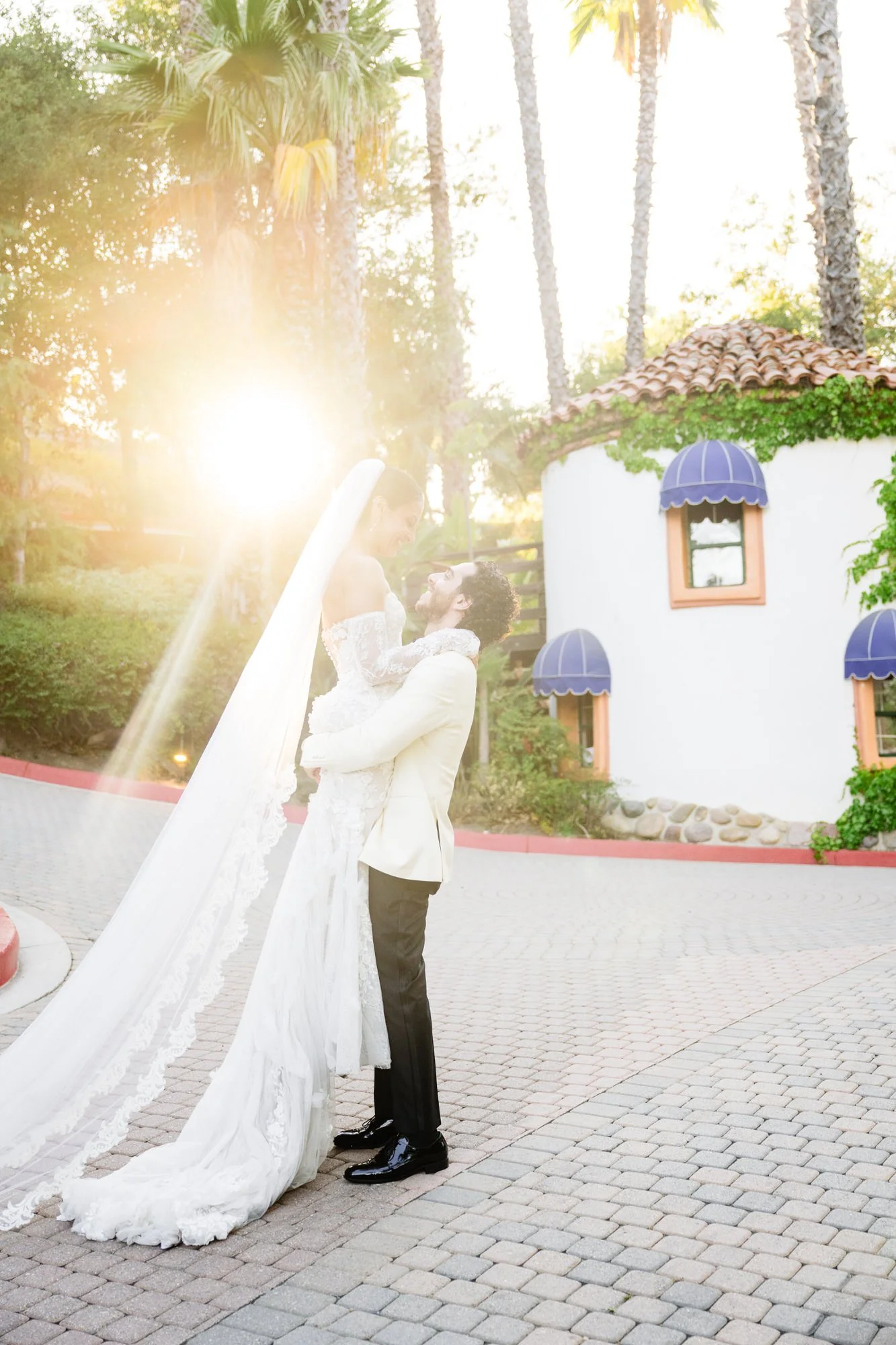
Depending on where you are and the time of year, Colorado sunsets are unmatched and create the dreamiest portraits. But the best sunset photos usually don’t happen because there was some random open gap in the day. They happen because the timeline protected a small pocket of time for them.
I always think it’s worth looking at sunset ahead of time and building around it instead of hoping it works itself out. When you do that, sunset portraits feel like a natural pause in the day instead of a scramble.
Travel and Logistics
This is the part people underestimate most.
A location change is never just the drive. It’s packing up, gathering the right people, making sure nobody left the rings behind, waiting for the shuttle, parking, walking, fluffing the dress again, touching up makeup, and getting everyone settled. That’s true in a city, and it’s especially true for mountain weddings. If you’ve ever lived it, you may feel like it’s a bit like herding cats.
If you’re getting ready in one place, doing a first look somewhere scenic, and heading to a separate ceremony site, every move needs more buffer than you think. If weather might be a factor, give yourself more. If your ceremony is outdoors and parking is limited, give yourself more. If you’re asking family members to move from place to place, definitely give yourself more.
I’ve seen multi-location wedding days in Colorado feel beautiful and easy. The difference is almost always that the travel was respected.
How to structure your reception timeline so it doesn’t feel rushed
Toasts, first dance, parent dances, cake cutting, special traditions, open dance floor, send-off, this part of the night can either feel like a natural rise in energy or like a pileup.
The best timelines don’t stack every reception event back-to-back with no room to absorb them. They let the moments land a little. A toast needs a second afterward. A first dance changes the energy in the room. Parent dances often open up emotions that carry into the rest of the night. If you go straight from one formal event to another without pause, the reception can feel over-managed.
And then there’s the dance floor.
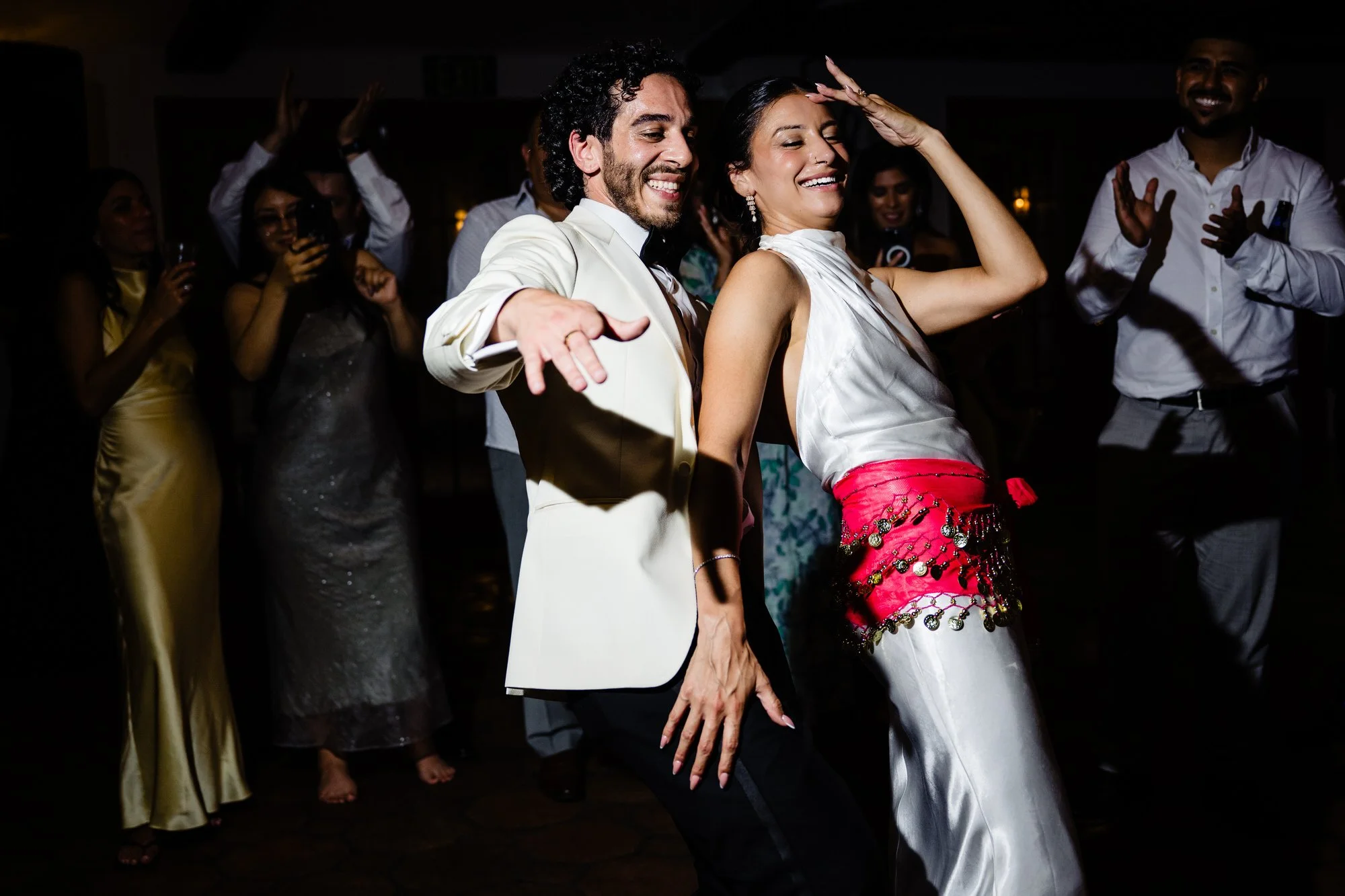
This is usually when the night loosens up and the most unguarded moments start happening. Your wedding reception is where so many of the real, unscripted moments live: laughter, joy, movement, and all the little interactions that make your celebration feel like you. Whether your grandpa is busting a move, your niece is trying to keep up, or your college friends are absolutely losing it during the best song of the night, this is often where the gallery gets its wild heartbeat.
If you’re planning a send-off, I like making that feel purposeful too. Not forced. Not just another task. A sparkler exit, bubbles, glow sticks, a quiet walk out under the stars, whatever it is, it should feel like a real ending, not an interruption.


Common wedding timeline mistakes that make the day feel rushed
Most rushed wedding days don’t feel rushed because one thing went terribly wrong. They feel rushed because there was no buffer anywhere.
It happens when hair and makeup runs long and there was no “oh shit” room. When family photos are expected to take ten minutes somehow. When travel is scheduled based on perfect conditions. When sunset portraits are treated like a maybe even though they matter to the couple. When the ceremony starts late and cocktail hour is supposed to absorb the difference. When there’s no clear plan for what happens if you are or are not doing a first look.
The fix is not making the day stricter. It’s making it more realistic, and it can also be realistically determining how many hours of photography coverage you need.
A strong wedding day timeline leaves room for real life. It expects people to be human. It gives the important moments enough structure to happen well without squeezing all the feeling out of them. That’s what I want for my couples. Not a day that looks perfect on paper, but one that feels calm enough to actually live through.
If you’re planning a wedding and want a timeline that feels candid, grounded, and true to how your day will actually unfold, I’d love to help you build one with room for the real moments.
Featured Vendors:
Venue : Rancho Las Lomas
Coordinator : Caprine Events
Catering: 24 Carrots Catering
Cakery : Simply Sweet Cakery
Additional Rentals : Archive Rentals
DJ : Vox DJs
Florist : Long Stem Disco
Videography : Tie and Veil
Hair & Make Up : Angeleno Beauty
Entertainment : Fusion Zaffa
Photobooth : Hidden Gem Photobooth
Bridal Shoppe : Pebbles Bridal
Bridal Brand : Martina Liana Bridal
Shoe Brand : Betsey Johnson
Men Attire : Suit Supply + Proper Cloth
Dress Alterations + Veil Design : Bridal City
Perfume : Dior Beauty
Cologne : Tom Ford
Groomsmen : The Black Tux
Transportation : Best VIP Chauffeured