
How Many Hours of Wedding Photography Do You Need? (A Realistic Guide)
From the loving look your grandmother gives you as she zips up your wedding dress to the evening city-scape at the end of your wedding day, the amount of wedding photography coverage you book shapes the kind of story your gallery can actually tell.
But the right answer is not always easy.
I know that’s not the flashy internet answer, but it’s the honest one. I’ve photographed wedding days that truly needed room from the very beginning of the morning through the final dance, and I’ve photographed days where a shorter window made complete sense. It depends on how your wedding is structured and what your timeline looks like: where you’re getting ready, whether you’re doing a first look, how much travel is involved, and which parts of the day matter most to you.
So if you’re trying to figure out how many hours of wedding photography you actually need, this is how I’d think through it as a Colorado wedding photographer of over 10 years.

Start with the shape of your wedding day (not your photography package)
The easiest way to get this wrong is to choose coverage based on a package name instead of the actual shape of your wedding day.
A wedding where everything happens in one place is a very different experience from one where you’re getting ready in separate Airbnbs, doing portraits somewhere scenic, having a ceremony in one spot, and heading somewhere else for the reception. A shorter, simple day can absolutely work. A spread-out day with lots of movement usually needs more breathing room, which can make all-day coverage advantageous.
That’s the thing people don’t always see at first. Time on a wedding day is not just ceremony time and reception time. It’s drive time, parking time, finding the right room time, pinning the boutonniere time, gathering family members time, waiting for the shuttle time, fixing the veil time, taking a breath time. A day can look manageable on paper and still feel tight in real life.
As a documentary-style photographer, I usually tell couples to choose coverage based on how their day actually unfolds, not on what sounds safest in a package list.

What real wedding days actually look like (and why that matters for coverage)
Some weddings truly don’t need a ton of coverage. If you’re getting ready at the venue, your ceremony and reception are both there, your family photo list is on the smaller side, and you don’t care about every single chapter of the day being documented, you may not need someone there from the first coffee to the last sparkler.
And then there are the other days.
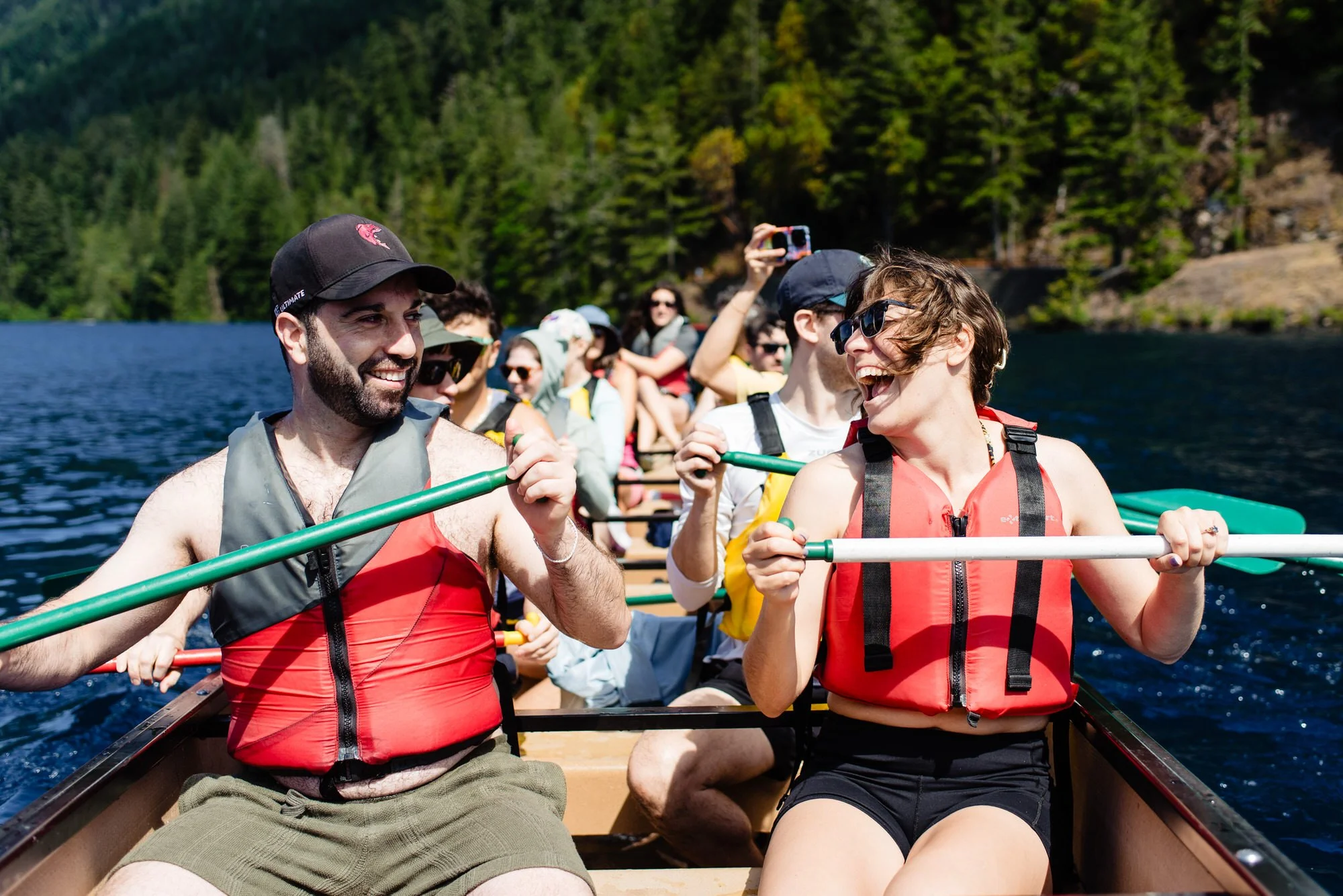
The Colorado wedding days where the getting-ready space is half the magic. The days where you’re getting ready in scenic Airbnbs, or celebrating across multiple locations, taking canoe rides around the lake, or stepping outside for sunset portraits because the light is too good not to.
Those days move differently, and sometimes you want every moment captured with all-day-coverage.
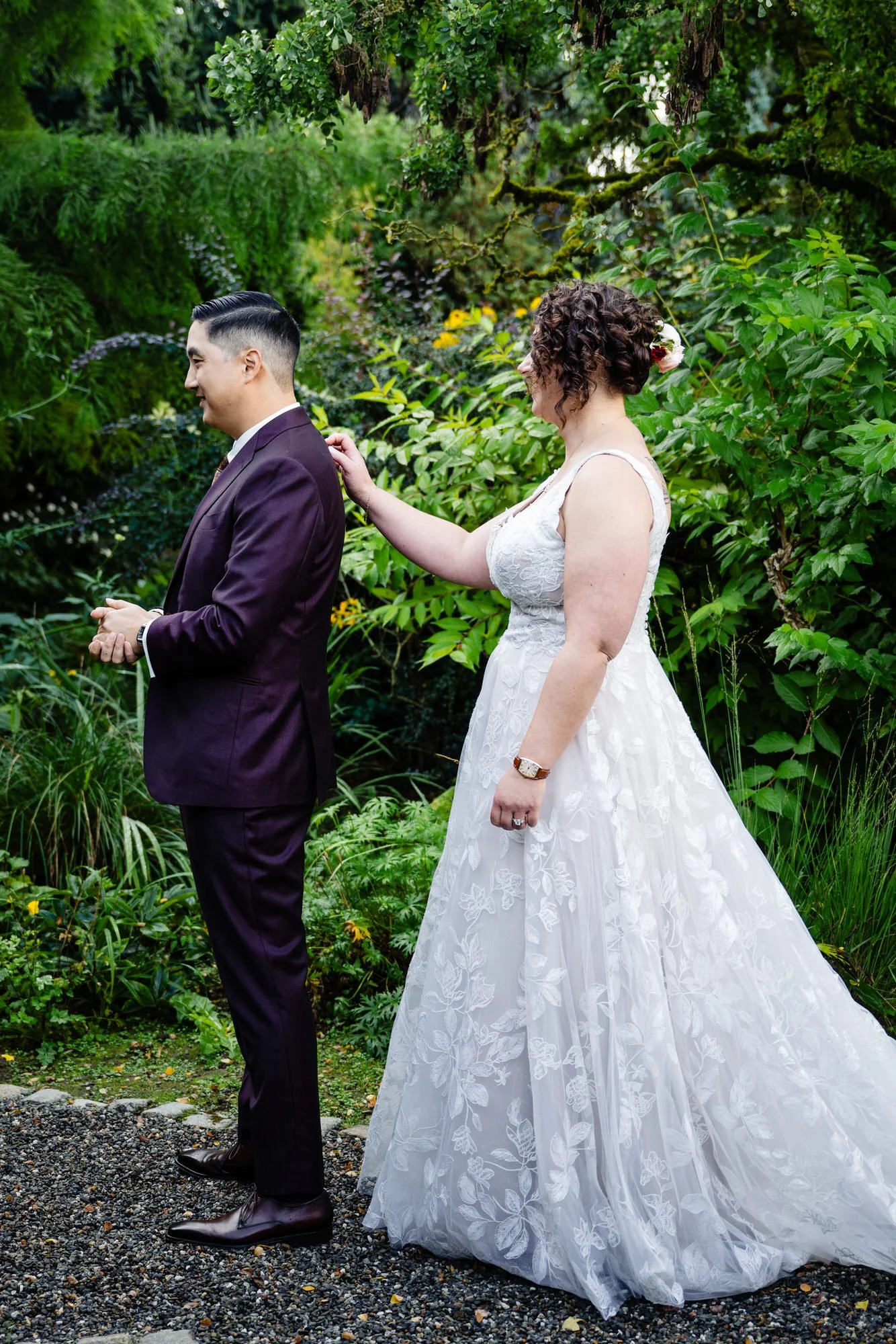
And when I’m thinking about coverage, I’m not just thinking about whether I can get the key events. I’m thinking about whether the gallery will have room for the in-between moments too. The first hug from your wedding day crew. The laugh you don’t remember because the anticipation was already so high. Your dad trying to act normal before a first look. Your cousin and your grandpa slow-dancing later in the night. Your two best friends mopping up spilled champagne with their feet while you’re across the room hugging someone else.
Those moments are often what make a gallery feel like your actual day instead of just a record of what happened, and a lot of time they are moments that you don’t even seen until you get your wedding gallery.
When Fewer Hours of Wedding Photography Actually make Sense
6-8 Hours of Coverage
A shorter day can be the right call when your wedding is fairly straightforward and you’re comfortable choosing which part of the story matters most.
That usually looks like a day with fewer locations, fewer moving pieces, and less emphasis on both the very beginning and the very end. Maybe you care most about the ceremony, portraits, family photos, and the main reception events. Maybe you’re okay letting go of the slower morning coverage, or maybe you don’t need the late-night dance floor documented.
That doesn’t mean your wedding is less meaningful. It just means you’re being honest about what you actually want photographed!
I think this is where a lot of couples feel unnecessary pressure. Not every wedding needs to be documented from sunrise to midnight to be complete. Some celebrations are intentionally simpler, and some couples are private and don’t care about the getting-ready portion. Some receptions are shorter and don’t build toward a big exit, and some people would rather have the core story covered well than stretch for time they don’t really need.
When the Middle Ground is the Better Fit
8-10 Hours of Coverage
If you want your getting-ready atmosphere, the ceremony, portraits, family photos, the grand entrance, dinner, toasts, and at least some time once the pressure is off and everyone is just having a good time, this middle amount of coverage often feels really balanced. It gives the day more breathing room without requiring coverage from the very first minute to the very end.
This tends to work especially well when the day has a few moving parts but isn’t sprawling. Maybe you’re getting ready nearby, maybe there’s one location change instead of several, maybe you want the important reception moments and some dance floor energy but you don’t necessarily need the very last song or a full send-off.
For a lot of couples, this is where the gallery starts to feel full without the day feeling over-covered. There’s enough room for the real moments to happen naturally, but not so much time that it feels like coverage for the sake of coverage.
When Full-day Wedding Photography is Truly Worth it
10+ Hours of Coverage
Longer coverage makes sense when the day is physically spread out or emotionally expansive, not because more is automatically better, but because there is so much to cover. This is also know as full-day coverage, or all-day coverage. If you’re wondering what that is exactly, check out this blog explaining it in full.
It makes sense when the morning matters to you, and you want the sweet chaos of the day starting captured. It also makes sense when there are parent reveals, meaningful details to photograph, quiet time with your people before the ceremony, or a getting-ready space that’s part of the story.
It also makes sense when the day itself has a lot of movement. You might be in a downtown hotel for the morning, out in the foothills for the ceremony, and back somewhere else for the reception. You might have mountain travel, unpredictable weather, a bigger family photo list, or you might care deeply about the reception because that’s when your people really become themselves.
That’s when longer coverage stops being “more hours” and starts becoming room for the day to unfold.
It’s also the right fit when you know you’d feel disappointed having to choose between the beginning and the end. If you want both the tenderness of the morning and the late-night joy of the dance floor; longer coverage is often what lets those two very different parts of the day live together in one story.


What does get missed with shorter wedding photography coverage
This things that get missed with shorter wedding coverage are not the ceremony and not the first dance.
Those big moments tend to stay because they’re obvious and easy to protect. What gets rushed or skipped are the quieter parts of the day that make the gallery feel lived-in.
Photos that usually happen in the quieter parts of the day are the getting ready, in-between moments, the time before everything officially starts. If your timeline is too tight, those are often the first things to get rushed or skipped entirely.
That can mean detail photos with no scramble. It can mean a few extra breaths before you get dressed. It can mean parent first looks, bridesmaids piled onto a couch, the guys helping with cufflinks, guests arriving, cocktail hour candids, sunset portraits that don’t feel wedged in, the open dance floor once people stop being self-conscious, or the send-off at the very end.
It’s not that a shorter day can’t be beautiful. It absolutely can. It’s just that the first things to disappear are rarely the headline moments. It’s the texture around them.
And if you love documentary photos, that texture matters.

How to choose the right number of photography hours for your wedding
If you’re feeling stuck, here’s what I’d do.
Picture the day from beginning to end and ask yourself which chapters would feel disappointing to lose. Not theoretically, actually.
Would you be sad not to have the morning documented and you’re surrounded by your closest friends?
Do you have a bigger family or a larger wedding party that you want capture?
Do you care about the part of the night when the dance floor gets messy and a bit silly?
Are you planning a multi-location day where everything will take a little longer than it looks on paper?
Your answers will usually tell you a lot faster than a package list will!
And if your draft plan only works when every transition goes perfectly, that’s usually a sign you need more breathing room somewhere. Not because bigger is always better, but because wedding days are real life and sometimes need an “oh shit” buffer. People run late, wind picks up, family members disappear for five minutes, champagne gets opened, somebody cries, somebody forgets the bouquet and the day is constantly moving.


The best amount of coverage is the one that gives your wedding enough room to feel like itself, and whatever that means to you.
If you’re planning a wedding in Colorado and want help figuring out what coverage actually fits your day, I’d love to hear what you’re dreaming up and help you sort through.