
The Best Season to Get Married in Colorado
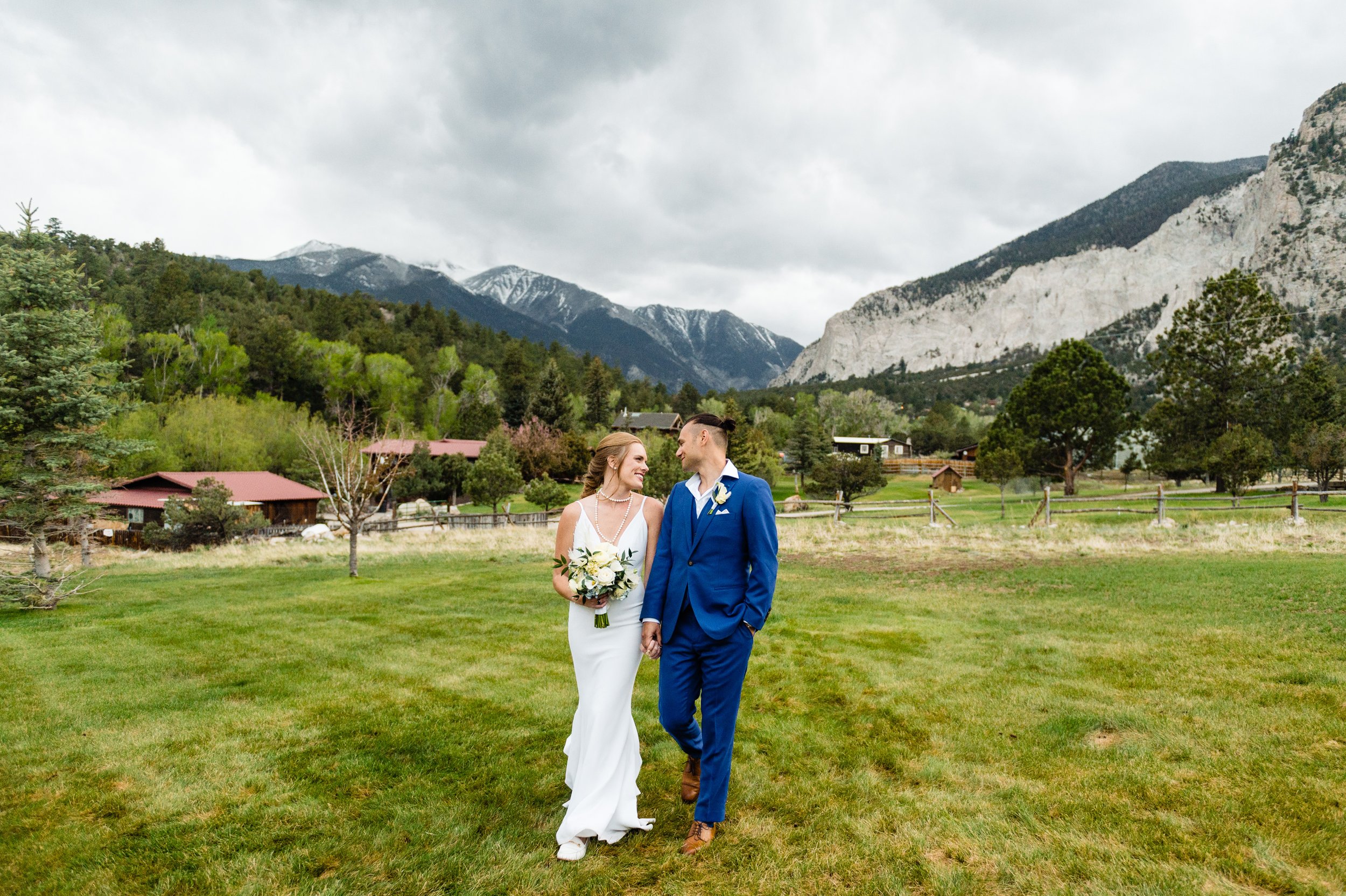
Colorado is one of those places where the answer to “What’s the best season to get married?” really depends on where you’re getting married.
A September wedding in Denver is not the same as a September wedding in Breckenridge. A spring wedding on the Front Range can feel completely different from a spring wedding in the mountains. Elevation changes everything here for mountain weddings: the temperature, the light, the road conditions, the wildflowers, the fall color, and how long your guests will actually want to stand outside.
As a Colorado wedding photographer, I’ve photographed celebrations through snow, wind, heat, afternoon storms, golden aspens, smoky skies, and those perfect bluebird days everyone hopes for. And what I’ve learned is this, there isn’t one “perfect” season for every couple.
There is, however, probably a best season for your specific wedding.
Some couples want long summer evenings and wildflowers. Some want golden aspens and brisk mountain air. Some are dreaming of snow, cozy lodges, and winter portraits. Others just want the season that gives them the best chance of comfortable weather and fewer last-minute pivots.
So let’s talk through what each season actually feels like in Colorado, what to plan around, and how to choose the timing that makes the most sense for your wedding.
The Best Season to Get Married in Colorado (And Why It’s Location-Dependent)
Best Overall:
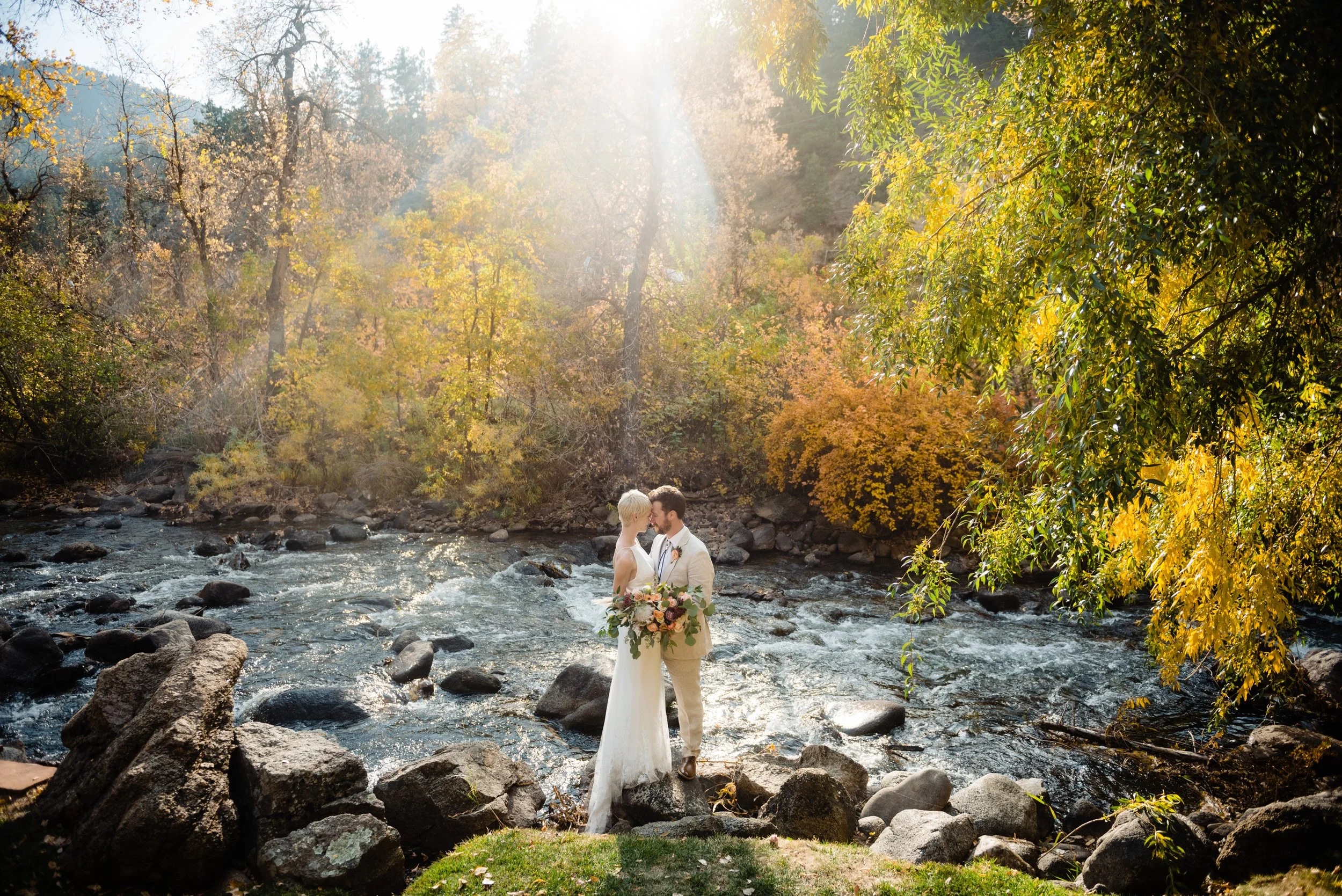
If I had to choose one general sweet spot, I’d say late August through early October is often the best overall window for a Colorado wedding, especially if you’re planning a mountain celebration.
By then, the intense summer thunderstorm pattern usually starts to calm down a bit, the light gets softer, and the temperatures are often more comfortable. Depending on your venue’s elevation, you may also catch the beginning of fall color.
That said, this is also one of the most popular times to get married in Colorado for a reason. Venues, lodging, and vendors can book quickly, especially in mountain towns. If you’re hoping for a September wedding, it’s worth planning early.
Runner-Ups:
June is beautiful for long days, green landscapes, and that fresh early-summer feeling. It can also come with afternoon storms and lingering snow at higher elevations.
January and February are underrated if you want a true winter wedding. You’ll usually have a better chance of snow, fewer crowds, softer vendor calendars, and a cozy, ski-town feel. The tradeoff is that travel and outdoor comfort become much bigger planning factors. You could get lucky and experience all these things in May though, but it’s a bit less predictable.
Ultimately, the best season depends on your priorities: guest experience, scenery, weather tolerance, travel coordination, and the kind of photos you’re hoping for.
Choosing the Best Season for Your Colorado Wedding
Spring (March-May)
Spring in Colorado is beautiful, but it is not always soft, warm, and floral as people imagine.
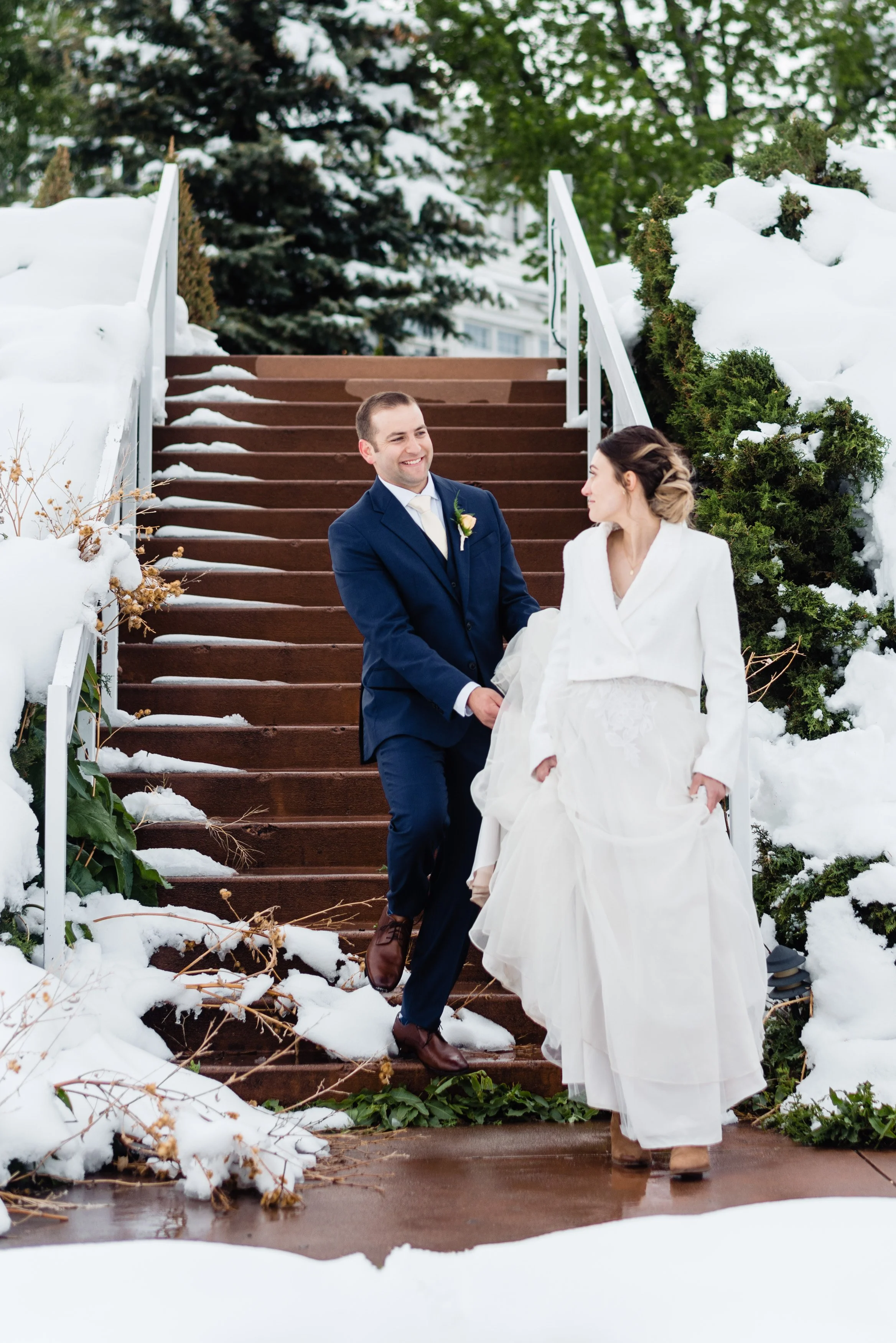
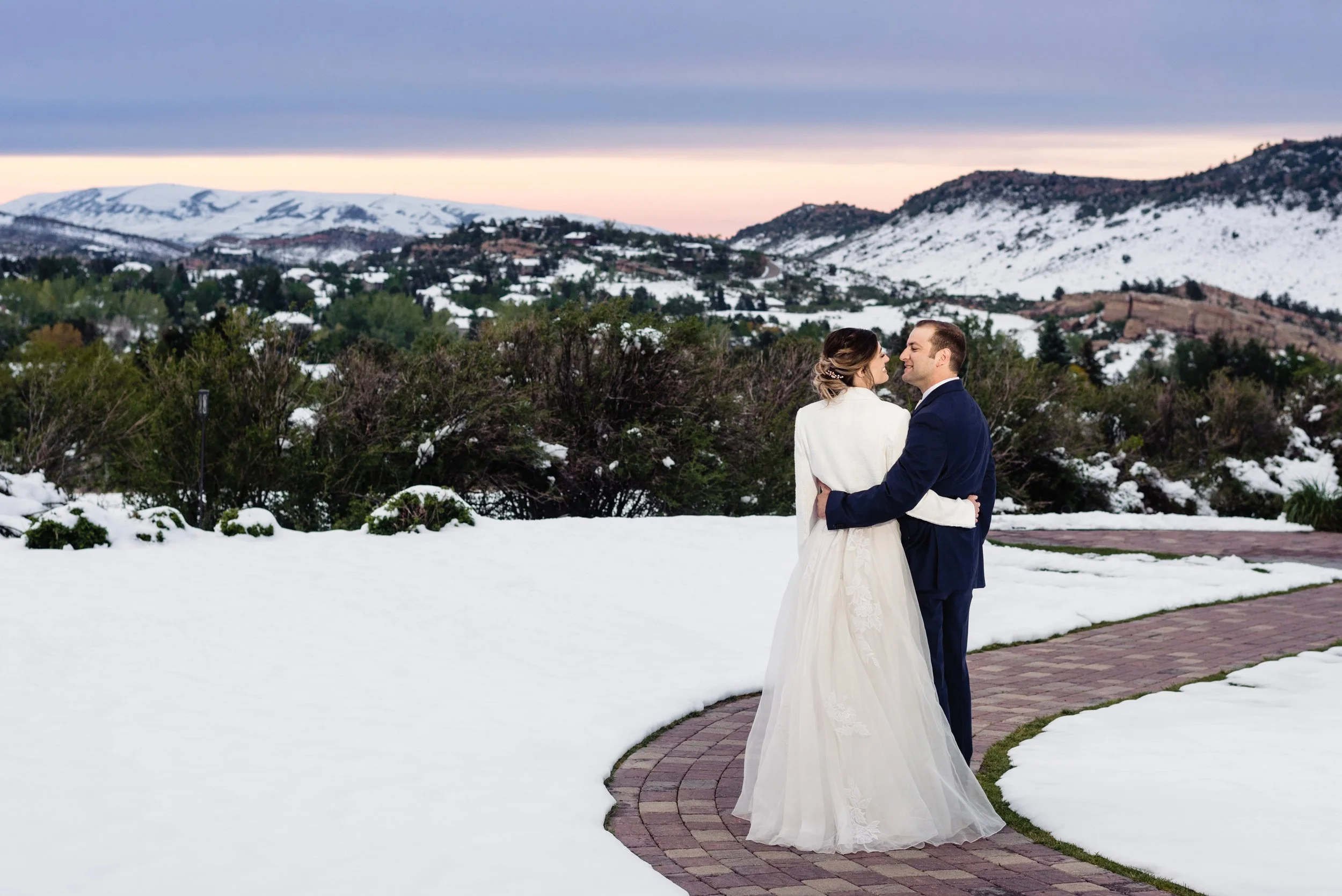
March, April, and even May can still bring snow, especially at higher elevations. I’ve photographed weddings where May looked more like winter than spring, and that is not unusual here, (see Alex and Wyatt’s snowy May wedding in Littleton!). If you’re planning a mountain wedding, spring can be unpredictable.
April through June can also mean mud season in mountain towns as the snowpack melts. Trails may be messy and some high-elevation locations may still be hard to access. Along the Front Range, spring can bring strong wind and big temperature swings.
If you’re hoping for wildflowers, timing definitely matters. Lower-elevation blooms may start earlier, but alpine wildflowers usually don’t become reliable until later in spring or early summer and the higher you go, the later everything blooms.
Spring can still be a great choice if you like moody skies, fewer crowds, and a less traditional wedding-season feel. I just wouldn’t choose it expecting guaranteed warmth, wildflowers, or easy access to the mountains.
Best for: Couples who are flexible, love moodier weather, and don’t mind a little unpredictability
Plan around: Snow, wind, mud season, chilly evenings, and delayed blooms at higher elevations
Summer (June-August)
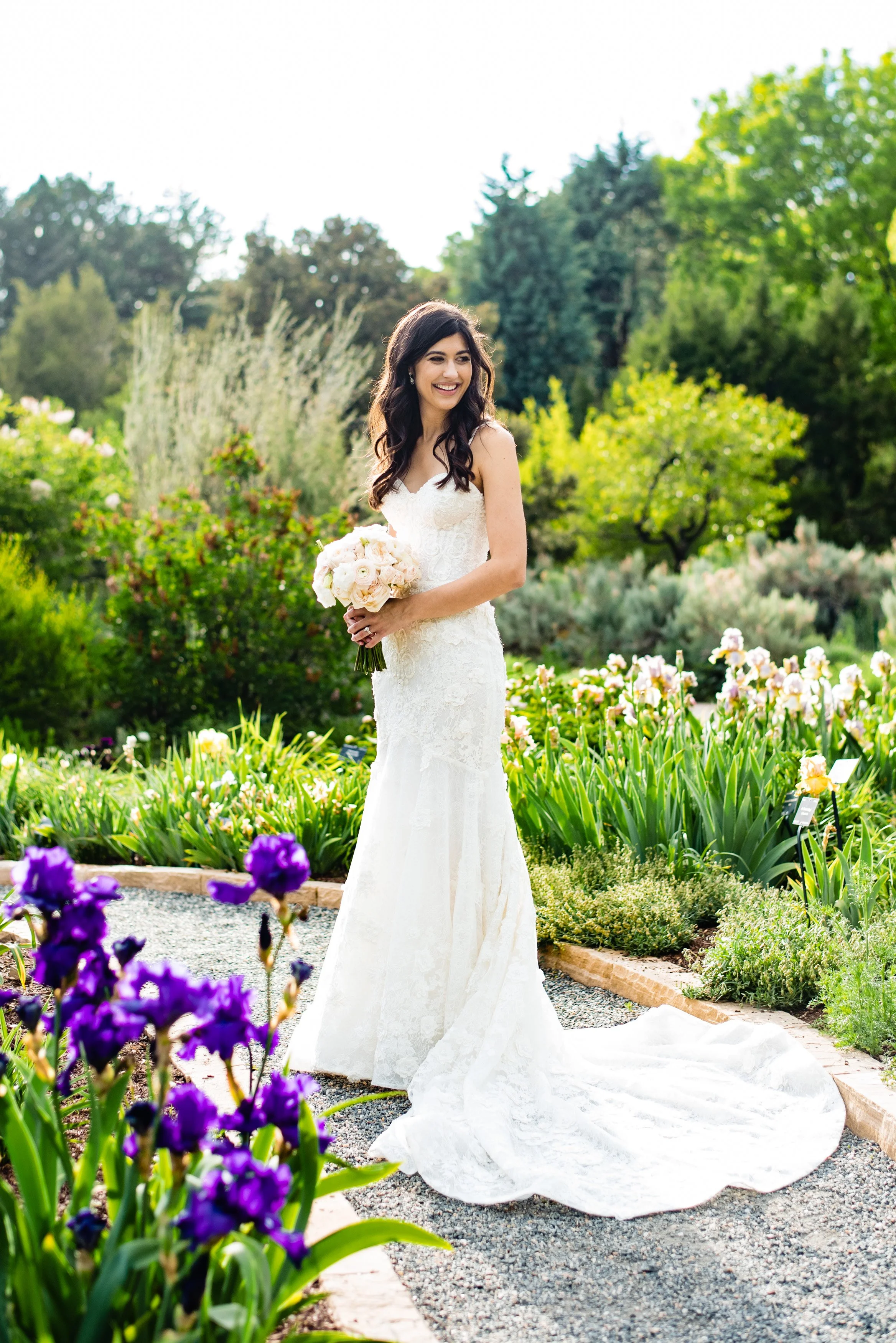
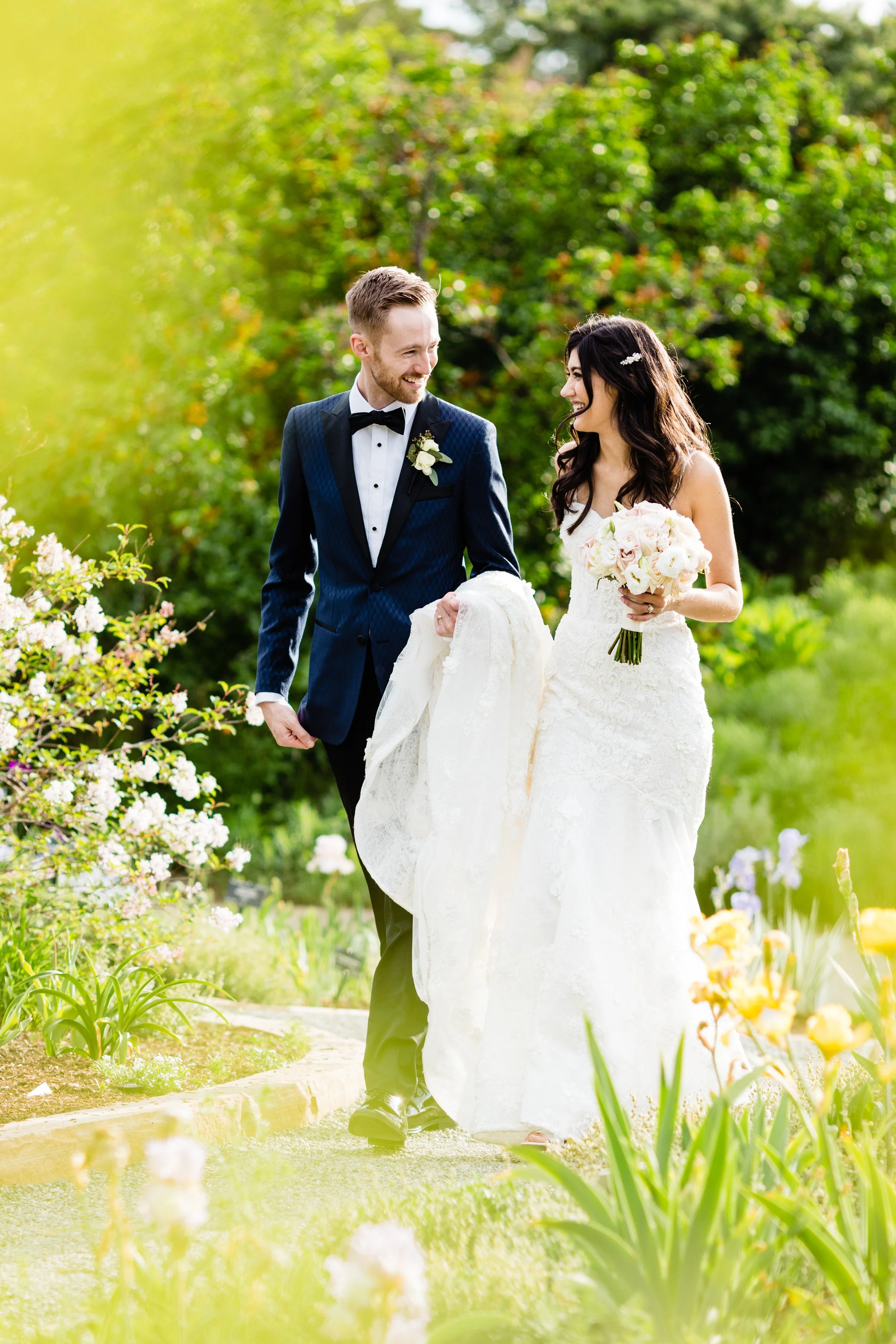
Summer is one of the most popular times to get married in Colorado, and it makes sense. The days are long, the mountains are green, and higher-elevation venues are usually more accessible.
But summer also brings one of the biggest planning factors in Colorado: afternoon thunderstorms, like Maggie and Jon’s surprise storm.
In June, July, and August, storms can roll in quickly, especially in the mountains. If you’re planning an exposed alpine ceremony, lightning is not something to take lightly and a beautiful overlook can become unsafe super fast if a storm moves in.
That doesn’t mean you can’t have a summer mountain wedding, it just means your timeline matters. I usually recommend building in flexibility, watching the weather closely, and having a real backup plan, not just a vague “we’ll figure it out if it rains” plan. Late-morning or early-afternoon ceremonies can sometimes help avoid the most storm-prone part of the day.
Denver and the Front Range can get hot in the summer, while mountain towns are usually cooler and more comfortable. Both areas can also be busy with tourists, which may affect lodging, transportation, parking, and guest experience.
By late summer, wildfire smoke can also become a factor. You may not be dealing with flames anywhere near your venue, but smoke can still affect visibility, air quality, and your overall wedding experience.
Best for: Long days, green mountains, outdoor receptions, and couples who want a classic Colorado summer feel.
Plan around: Afternoon storms, lightning, heat in Denver, tourist traffic, wildfire smoke, and lodging costs.
Fall (September-November)
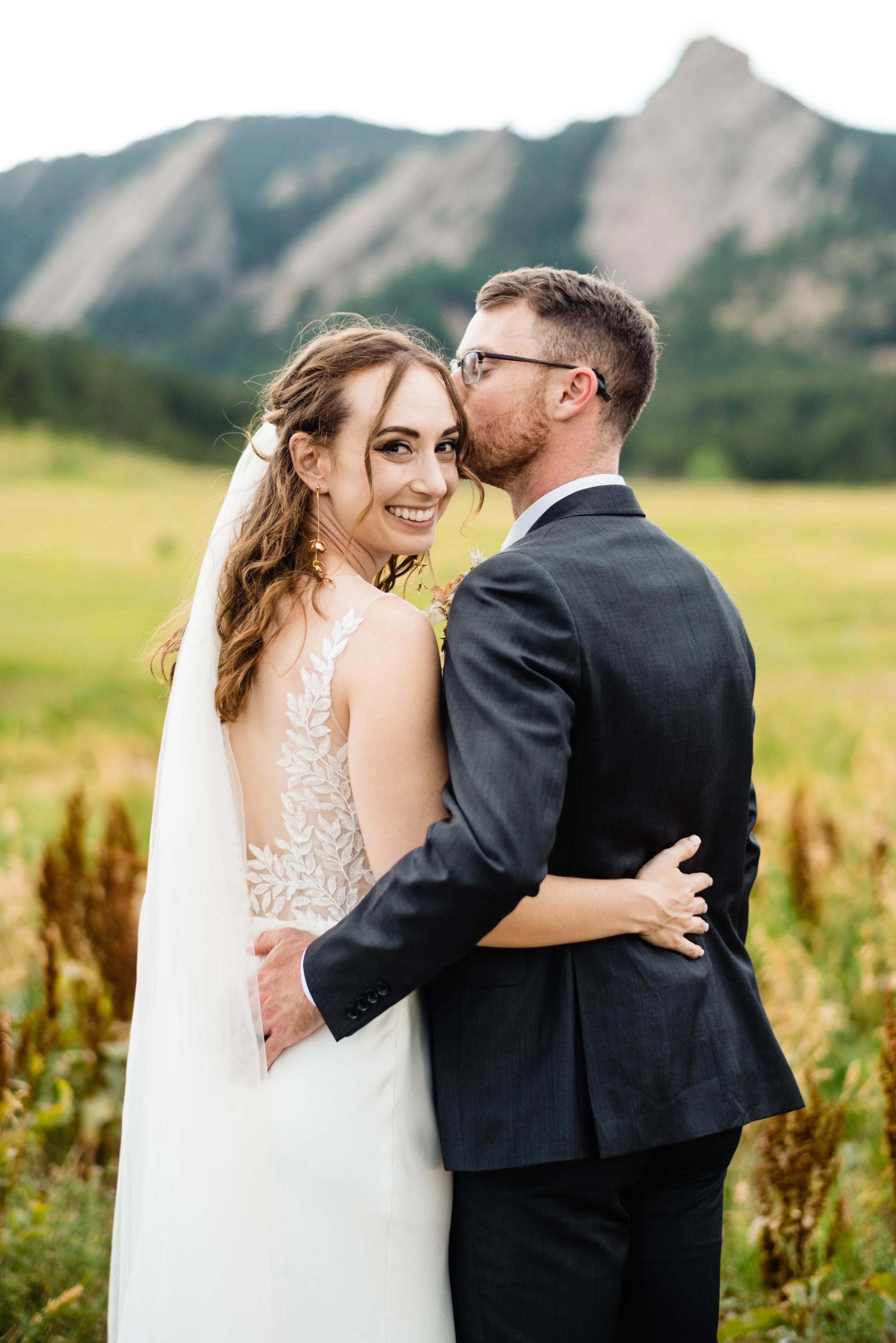
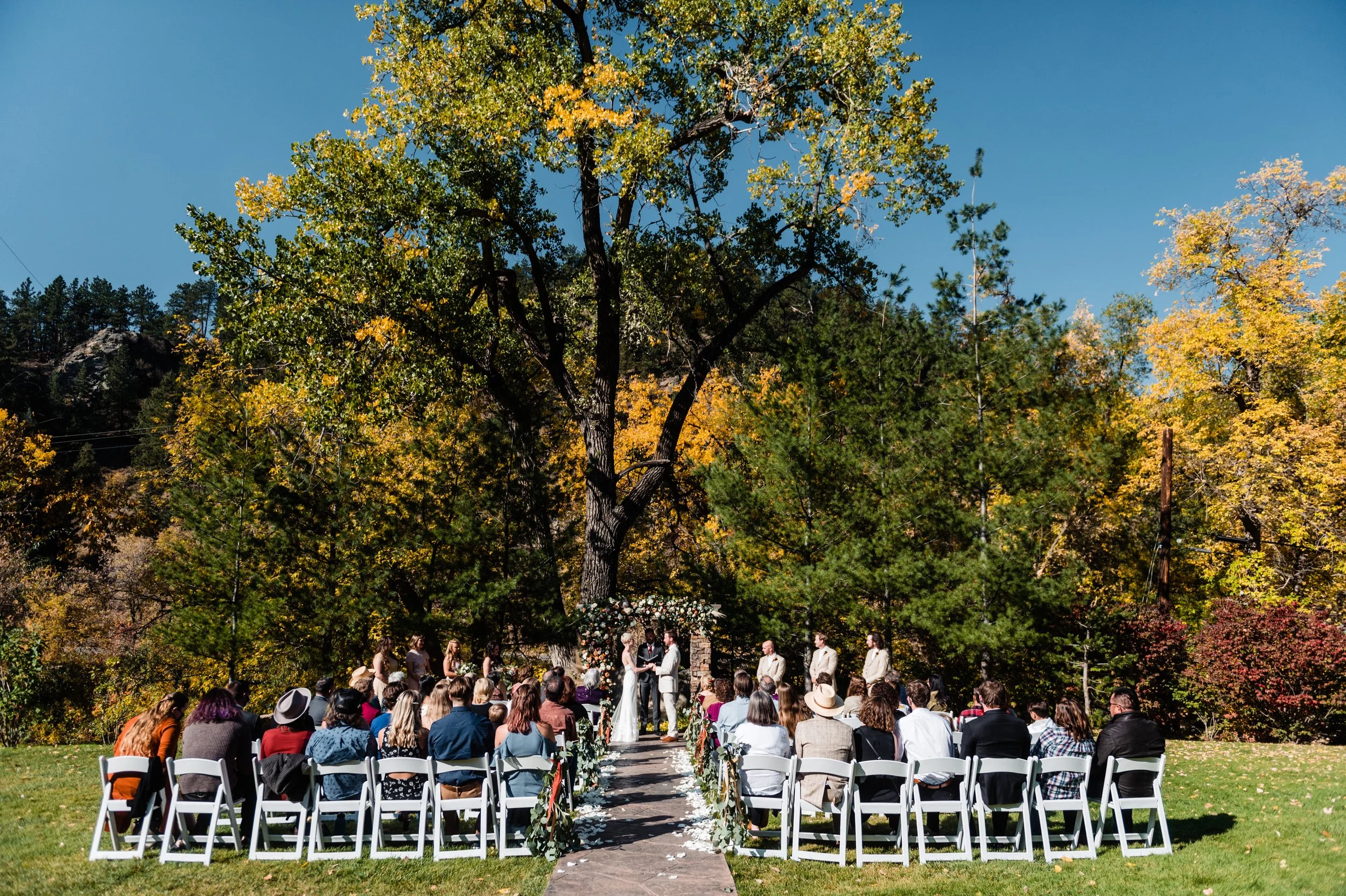
Fall is my most favorite time for a reason. The light is beautiful, the temperatures are often more comfortable, and the aspens can be incredible if you time it right, as you can see from Shannon and Robert’s fall wedding day.
For many couples, September is the sweet spot. You may still get mild weather, long enough days, and the beginning of fall color in the mountains. It also tends to feel less stormy than midsummer, and still warm enough for outdoor ceremonies and portraits.
The tricky part is that peak aspen color is short and elevation-dependent. It usually happens somewhere between mid-September and early October, but it varies by location and year. Higher elevations turn earlier, while lower elevations turn later and if fall color is a major priority, you may want to channel flexibility.
As the season moves into October and November, days get shorter and evenings cool down quickly. If you’re planning an outdoor reception, blankets, heaters, or an indoor transition can make a big difference for guest comfort. Snow is also possible earlier than people expect, especially in high-elevation areas.
Best for: Golden aspens, softer light, mild daytime temperatures, and mountain weddings with a classic Colorado feel.
Plan around: Short peak color windows, chilly evenings, earlier sunsets, lodging demand, and early snow risk.
Winter (December-February)
Winter weddings in Colorado can be beautiful in a completely different way, but winter can also ask more from your ability to plan.
At higher elevations, you’ll be dealing with cold temperatures, wind chill, shorter days, and possible travel delays. Roads can close and mountain passes can get messy, with I-70 often unpredictable, especially on weekends or during storms.
You and your guests probably won’t want to be outside for long in standard wedding attire, so portraits and ceremony plans need to be realistic and often short. Hand warmers, coats, boots, indoor breaks, and a timeline that doesn’t require people to stand in the cold forever can make a huge difference. Or just choosing a venue that has indoor options like Lindsi and Nick did.
The good news is that winter often brings fewer crowds, greater vendor availability, and a different kind of calm. January and February are especially strong options if you want snow. December can be beautiful too, but holiday travel and pricing may be more complicated.
Best for: Snowy portraits, cozy receptions, ski-town weekends, and couples who are comfortable prioritizing atmosphere over long outdoor timelines.
Plan around: Cold temperatures, road conditions, shorter daylight, guest comfort, footwear, and backup travel plans.
Colorado Wedding Seasons at a Glance
Here’s the quick version if you’re trying to compare seasons.
Best overall: September
Best for long days: June
Best for fall color: Mid-September through early October, depending on elevation
Best for snow: January and February
Most storm-prone: July through early August, especially afternoons
Most unpredictable: April and May, especially in the mountains
Best for fewer crowds: Winter and early spring
Best for mountain access: Summer through early fall
Best for indoor receptions: Winter and late fall
Denver Events to Consider When Planning Your Wedding
Season matters, but so does what’s happening in the city around your wedding date.
If you’re getting married in or near Denver, it’s worth checking local event calendars before you finalize your timeline, hotel blocks, or transportation plans. A major game, concert, race, or festival can affect traffic, parking, ride share availability, and hotel pricing.
A few things to keep an eye on:
Major sports games: Denver has the Broncos, Rockies, Nuggets, and Avalanche, and their seasons overlap throughout much of the year. Home games can create traffic and parking issues, especially near downtown hotels and venues.
Large public events and street closures: Parades, races, festivals, and city-wide events can affect access to certain neighborhoods. This is especially important if your venue, hotel, or portrait location is downtown.
Red Rocks and major concerts: If you’re getting married near Morrison, Golden, or downtown Denver, concert traffic can matter. Hotels may book up, ride shares can be limited, and traffic can be heavier than expected.
So, What’s the Best Season to Get Married in Colorado?
If you want the best balance of weather, light, and scenery, September is hard to beat.
If you want long days and lush green mountains, June is a strong choice.
If you want golden aspens, aim for mid-September through early October, but remember that fall color varies with elevation and are often fleeting.
If you want snow, indoor lodge energy, and fewer crowds, look at January or February.
If you want something quieter, moodier, or less traditional, spring or late fall may be a better fit than the obvious peak-season dates.
The biggest thing to remember is that Colorado rewards flexibility, but when you choose a season that fits your venue, your priorities, and the kind of experience you want your guests to have, Colorado is an incredible place to get married.
If you’re planning a Colorado wedding and trying to figure out which season makes the most sense for your day, I’d love to help you think it through. The weather here can be unpredictable, but with the right plan, that doesn’t have to be a problem. It can just be part of the story.